 Proyecto Fénix
Which one? The PDF opens straight away in the browser, on any phone or computer. The EPUB is saved in Downloads and is read with a reading app (Google Play Books on Android, Books on iPhone, Kindle or Kobo), which lets you enlarge the text.
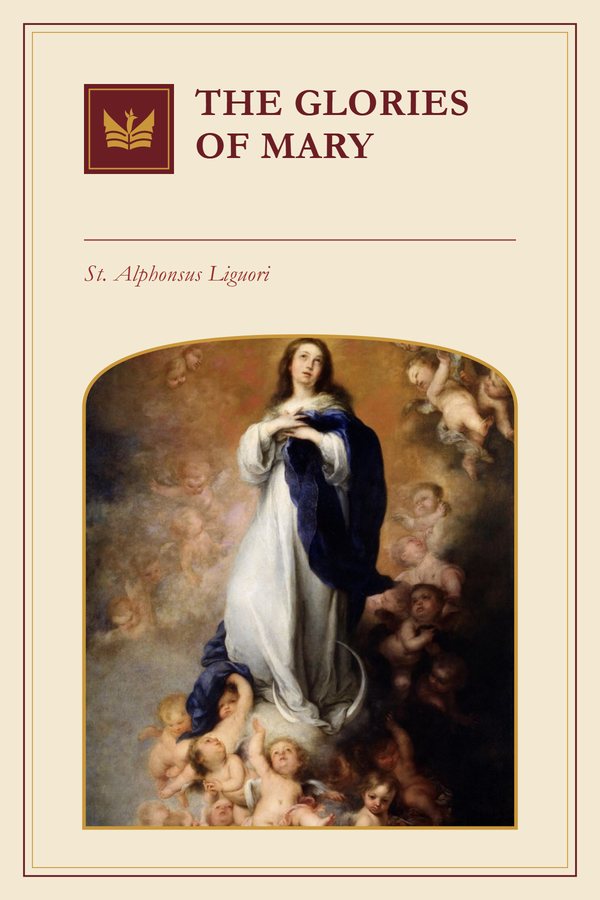
The Glories of MaryFree EPUB and PDF
Why read it
For anyone who wants to understand devotion to the Virgin in the Catholic tradition in depth: Saint Alphonsus comments on the Salve Regina word by word and supports his commentary with Scripture, the Fathers of the Church and the saints. It suits the month of May, the preparation of Marian feasts, and slow reading, one section at a time. The reader learns to pray the Salve with more attention and takes away examples and prayers to return to.
Summary
The great Marian work of Saint Alphonsus Liguori, Doctor of the Church, first published in 1750. The first part comments on the Salve Regina phrase by phrase: Mary as Queen of Mercy, our Mother, our life and our hope, advocate of sinners, and the sweetness of her name. The second gathers discourses on her feasts and her sorrows, and a study of her virtues. The book closes with devotional practices, examples and prayers for each day of the week. This edition reproduces the anonymous English translation printed in New York in 1852.
Quotes
Oh, blessed is he who clings with love and confidence to those two anchors of salvation, Jesus and Mary!
Oh, happy those who live under the protection of a mother so loving and so powerful!
See 1 more quotes
Hear, then, our mother who calls us, and says to us: “Whosoever is a little one, let him come to me.”
Moral rating
6 of 6: No drawbacks. See on delibris.org
Similar books
- Santo Rosario · San Josemaría Escrivá
- The Practice of the Presence of God · Brother Lawrence of the Resurrection, O.C.D.
